September 13, 2026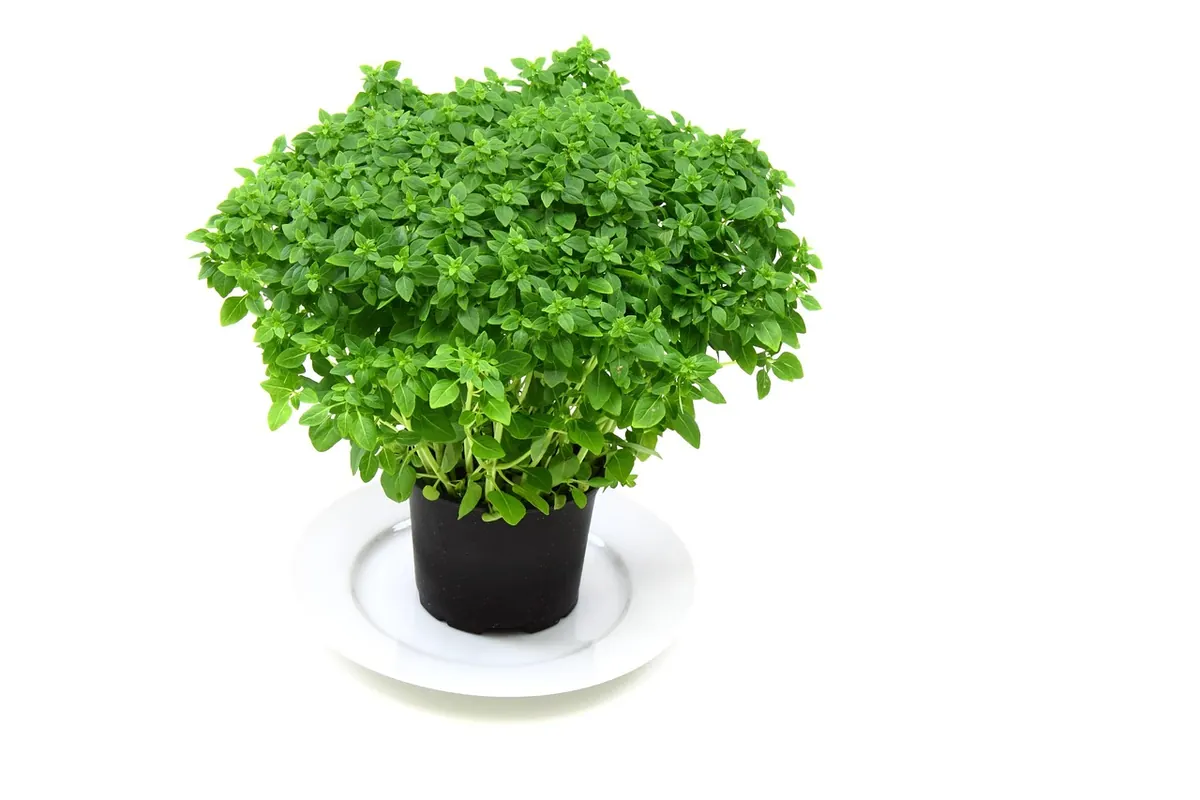
You buy a bright, leafy pot of basil from the supermarket, set it on the kitchen windowsill, and for three days it looks wonderful. By day five the leaves droop, the compost smells sour and the stems have gone dark at the base. That is not bad luck, and it is rarely your fault. Supermarket basil is grown to look good on a shelf for a week, not to live on a windowsill for months. But a pot of it holds far more plants than most people realise, and splitting them up is the single most useful thing you can do.
Why Supermarket Basil Gives Up So Quickly
A supermarket basil pot is not one plant. It is a crowd — often twenty or more seedlings crammed into a container the size of a mug, sown thick so the display looks full. They are raised in warm, humid glasshouses under strong light, fed and watered on a strict schedule, then shipped to a shop and carried home in a bag. The move from that environment to a dry, centrally heated kitchen is a shock in itself.
Then there is the competition. Every seedling is fighting the others for water, nutrients and root space. The compost dries out within a day in a warm room, so the roots at the edge of the rootball die back, and the tight packing means very little air moves between the stems. That is why the base of the plant often blackens first. Once rot starts in a crowded pot, it spreads.
Choose Well, Then Act Fast
Start at the shelf. A pot with tight, deep-green leaves and firm, pale-green stems is worth taking home. One with yellowing lower leaves, dark patches at the base or a sour smell is already on its way out. Check underneath as well — roots pushing thickly through the drainage holes mean the plant is pot-bound.
Once home, don't rush it onto a hot south-facing windowsill. If the compost is dry, stand the pot in a bowl of water for ten minutes, let it drain, and give it a day to settle. Then plan to split it within two or three days. Every day it stays packed together, the weaker seedlings decline. Signs of a pot worth buying:
- Leaves evenly coloured, with no yellowing at the base
- Stems firm and pale green where they meet the compost
- No dark, soft patches and no sour smell from the pot
- Roots visible but not matted solidly through the drainage holes
How to Split and Repot a Supermarket Basil Pot
That single pot contains dozens of plants. Splitting them takes twenty minutes and gives each seedling the root room it needs. Work on a tray or a sheet of newspaper.
- Water the pot an hour beforehand so the rootball holds together.
- Squeeze the sides and tip the whole thing out, supporting the stems with your free hand.
- Break the rootball apart with your fingers. Some roots will tear; basil forgives this.
- Sort the seedlings into clumps of three to five, matching similar sizes together.
- Shake most of the old compost from the roots so they can spread into fresh material.
- Pot each clump into a 9–12cm pot with drainage holes and free-draining compost.
- Set the plants so the lowest leaves sit just above the surface. Burying stems invites rot.
- Water lightly, then keep the pots out of direct sun for a day or two.
You will end up with four or five pots from one supermarket plant. Keep the strongest and pass the rest on if space is tight.
Compost, Pots and Drainage
Use a multipurpose compost mixed with about a quarter perlite or horticultural grit by volume. Basil hates sitting in wet, airless compost, and the grit keeps air moving around the roots. Avoid garden soil indoors: it compacts in a warm room and often brings fungus gnats with it.
Terracotta dries out faster than plastic, which suits basil in summer but means more frequent watering in winter. Whichever you choose, drainage holes are non-negotiable. Stand pots on saucers, water until a little runs through, then empty the saucer ten minutes later. A plant left standing in water rots from the bottom up.
Light, Water and Warmth: The Daily Routine
Light
Basil wants at least six hours of good light a day — a south- or west-facing windowsill is ideal from spring to autumn. Turn the pots every few days so plants grow straight rather than leaning into the glass. Winter light is the real test: growth slows, shoots turn pale and leggy, and a nearby desk lamp helps more than you might expect.
Watering
Water when the top centimetre of compost feels dry, in the morning, at the base rather than over the leaves. Basil wilts dramatically in warmth and often recovers by evening, so check the compost before reaching for the can. Overwatering kills more indoor basil than drought; if in doubt, wait a day.
Warmth and air
Basil sulks below about 10°C. Keep pots away from cold draughts, single-glazed windows on frosty nights and the direct blast of a radiator; 18–21°C suits it well. A little air movement helps prevent rot, so don't cram the pots together.
Pinching and feeding
Pinch out the growing tips above a pair of leaves every fortnight to encourage bushing. Remove flower buds as soon as they appear — once basil flowers, leaf production drops and the flavour sharpens. Feed lightly every two to three weeks in summer and hold off in winter.
Troubleshooting the Common Failures
- Yellow lower leaves. Usually waterlogged compost or overcrowding. Check drainage and repot into fresh compost.
- Blackened, soft stems at the base. Rot has taken hold. Bin the affected plant and keep the healthy ones apart.
- Pale, leggy growth. Not enough light. Move the pot closer to the window or add a lamp.
- Drooping despite damp compost. Cold roots, or roots damaged during repotting. Move it somewhere warmer and leave it be for a few days.
- Tiny black flies around the pot. Fungus gnats, which breed in constantly wet compost. Let the surface dry out and top-dress with grit.
What to Expect After Repotting
Be realistic. Supermarket basil is bred for a short, fast life, and even with careful splitting it will not live for years on a British windowsill. Expect healthy, cropping plants for two to three months, and longer if you keep taking cuttings. Cut 8–10cm tips, strip the lower leaves, stand them in a glass of water on a bright sill, and pot them on once roots appear — usually within a fortnight. Two or three pots started at different times will keep you in fresh leaves far longer than one crowded supermarket pot ever could.
If a plant does collapse despite your best efforts, don't take it personally. Buy another, split it straight away and start again. That habit, more than any secret technique, is what keeps a kitchen windowsill supplied.