October 06, 2026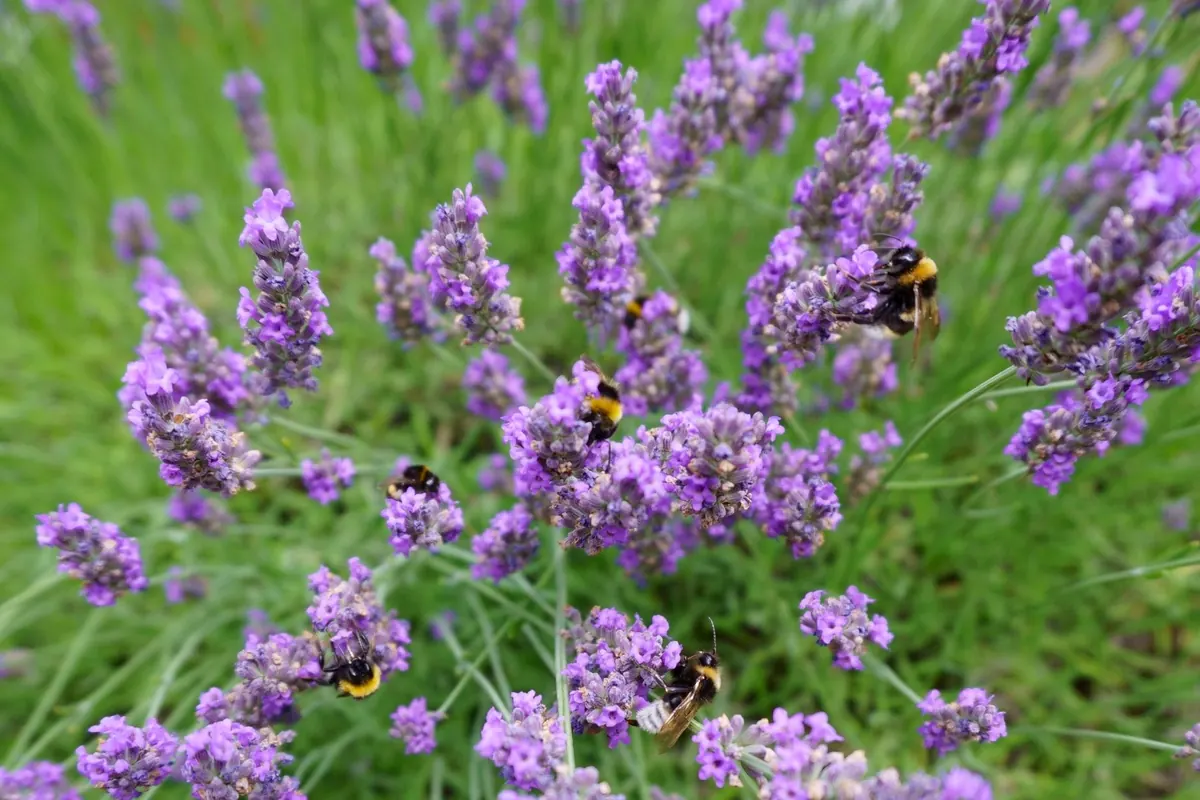
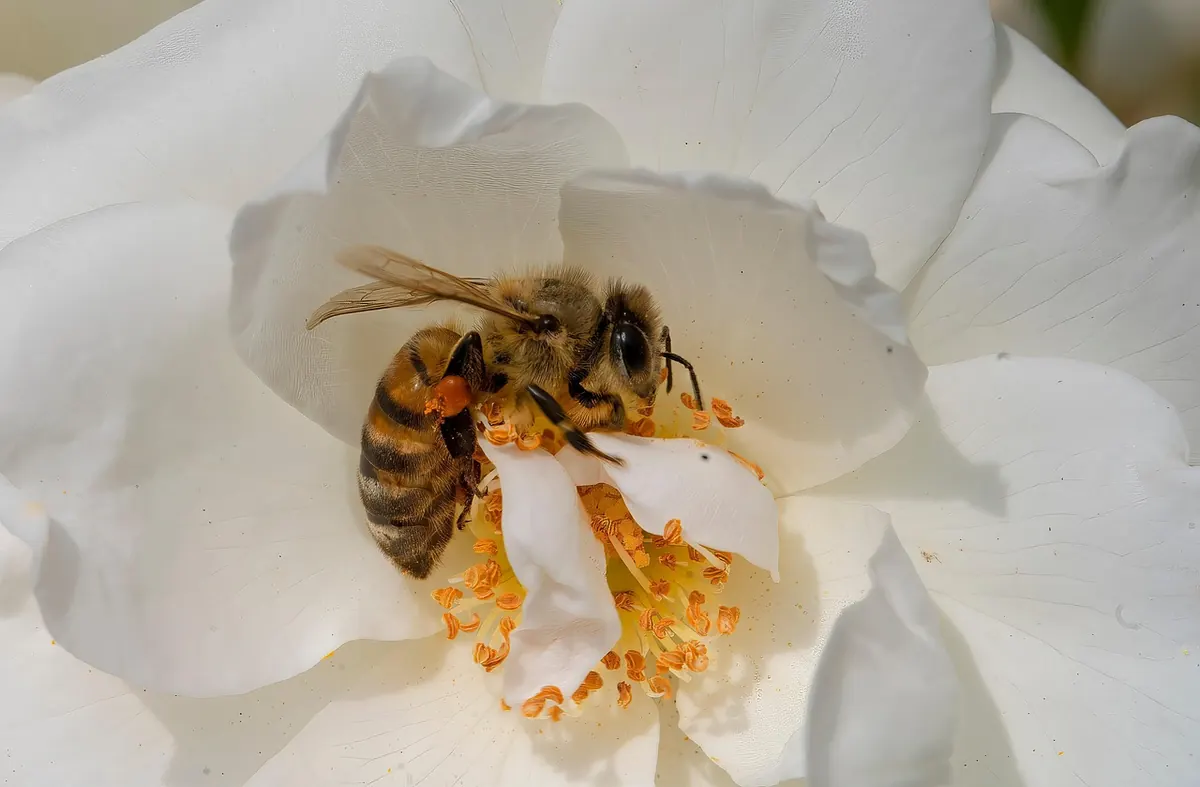
Leave a herb to flower and you get two things from one pot: weeks of small, nectar-rich blooms and a supply of seed for next year. In a garden the size of a doorway, that is a bargain. Yet most of us grow herbs for the kitchen, pinching out the growing tips just as the buds appear. The result is tidy plants and hungry bees.
A single chive clump in full flower will keep bumblebees busy for a fortnight. A rosemary bush allowed to do its thing in late winter is one of the few things an early queen bee can rely on. Neither takes up more than a square foot.
What follows is a planting plan for a small UK garden — a courtyard, a balcony, a strip of paving — that keeps something in flower from February to October, without giving up your supply of leaves.
Why herb flowers work so hard
Many culinary herbs come from Mediterranean hillsides, where thin soil, hot sun and a short season bred plants that throw everything into flowering. Their blooms tend to be small, open and generous with nectar, which suits short-tongued bees, hoverflies and the smaller solitary bees that often get overlooked.
They are also cheap, unfussy and happy in containers. A supermarket pot of living thyme, split into three and grown on, will flower within a season. Try that with a delphinium.
The trick is to accept that flowering changes the leaves. Oregano that has run to bloom turns peppery and tough; mint gets coarse. That is why the plan below keeps some plants for the kitchen and lets others go over completely.
Spring: the early risers
Early bees are the ones worth planning for. Queen bumblebees emerging from hibernation in March need a reliable first meal within flying distance of the nest site.
Rosemary
In mild parts of the UK, rosemary can be in flower from late winter into April. It is a shrubby thing, so give it a decent pot — 30cm across or more — and full sun. Prune lightly after flowering, never into the old bare wood, because it will not shoot back from there.
Chives
April and May belong to chives. The purple pom-poms are irresistible, and the plants are cheap enough to grow in bulk. Keep two clumps: cut one for the kitchen and leave the other to open. They will self-seed gently if you let a few heads dry.
Thyme
Creeping thyme in a trough or between paving stones flowers from late spring. It wants grit, drainage and a bit of neglect. Overwatering kills more thyme than cold ever does.
Summer: keep the momentum going
From June the choice widens, and this is where a small garden can genuinely hold its own.
- Borage — brilliant for bees, and the star-shaped blue flowers are edible. It self-seeds generously, so plant it once and edit later.
- Oregano and marjoram — easy from seed, happy in a pot, and in flower from midsummer. Let one plant go over completely.
- Sage — the purple and variegated kinds are as good as the plain one. Flowers in early summer, often again in autumn if trimmed.
- Lavender — not strictly a kitchen herb, but it belongs here. Full sun, sharp drainage, and a light trim after the first flush.
- Mint — keep it in its own pot or it will take the bed. Let a patch flower in July; the bees will find it within days.
- Basil — worth letting a plant bloom on a warm windowsill or in a sheltered courtyard, though it sulks in a cool UK summer.
Late summer and autumn
By August many gardens have gone quiet. Herbs can cover the gap.
Hyssop
Hyssopus officinalis is a compact, woody herb with spikes of blue flowers from July into September. It looks tidy, needs little water and takes a hard cut in spring. A good choice for a front-door pot.
Anise hyssop
Despite the name, this is an Agastache, and it is one of the best late plants for a small space. It flowers from midsummer into October, and the leaves make a decent herbal tea. Give it sun and reasonable drainage.
Fennel and dill
Let a couple of these run to seed. The flat umbels are a magnet for hoverflies and tiny solitary bees, and the seedheads stand well into winter. Bronze fennel is handsome enough to earn a place on looks alone.
Building the plan in a small space
You do not need a bed. Three or four containers, positioned where you will actually see them, will do the work.
- One permanent shrub — rosemary, or a large thyme if your garden is cold. This is your early-season anchor.
- One cut-and-come-again clump — chives or mint. Harvest half, leave half.
- One self-seeder — borage or oregano. Let it seed and it will return without any effort from you.
- One late flowerer — anise hyssop or hyssop, for the weeks when everything else has finished.
Site them in the sunniest spot you have. Six hours of direct light is the rough threshold; less than that and the plants will grow, but flower thinly.
Small habits that make a difference
Do not cut everything back on the same afternoon. Stagger the tidying so that something is always in flower, and leave the hollow stems of fennel, dill and mint standing over winter — small solitary bees use them as shelter.
One patch left to flower will feed more pollinators than a whole shelf of bedding plants bought in bloom.
Water containers properly in dry spells. Nectar is mostly water, and a plant that is drought-stressed will simply stop producing it. Skip the pesticides entirely; even the organic ones do not tell the difference between an aphid and a bee's next meal.
And resist the urge to deadhead everything. Those faded oregano heads and fennel umbels are food in their own right, and they look good in frost.
Getting started
Pick three plants this weekend rather than planning a perfect scheme. A rosemary for the spring, a chive clump for early summer and an anise hyssop for the autumn will cover more of the year than most people manage with a whole border.
Then do the hard part: leave them alone. Sow, water, and let the flowers open. The bees will find them, and you will still have plenty of leaves to cook with from the plants you keep cutting.
Photo: Budget Bizar / Pexels