September 16, 2026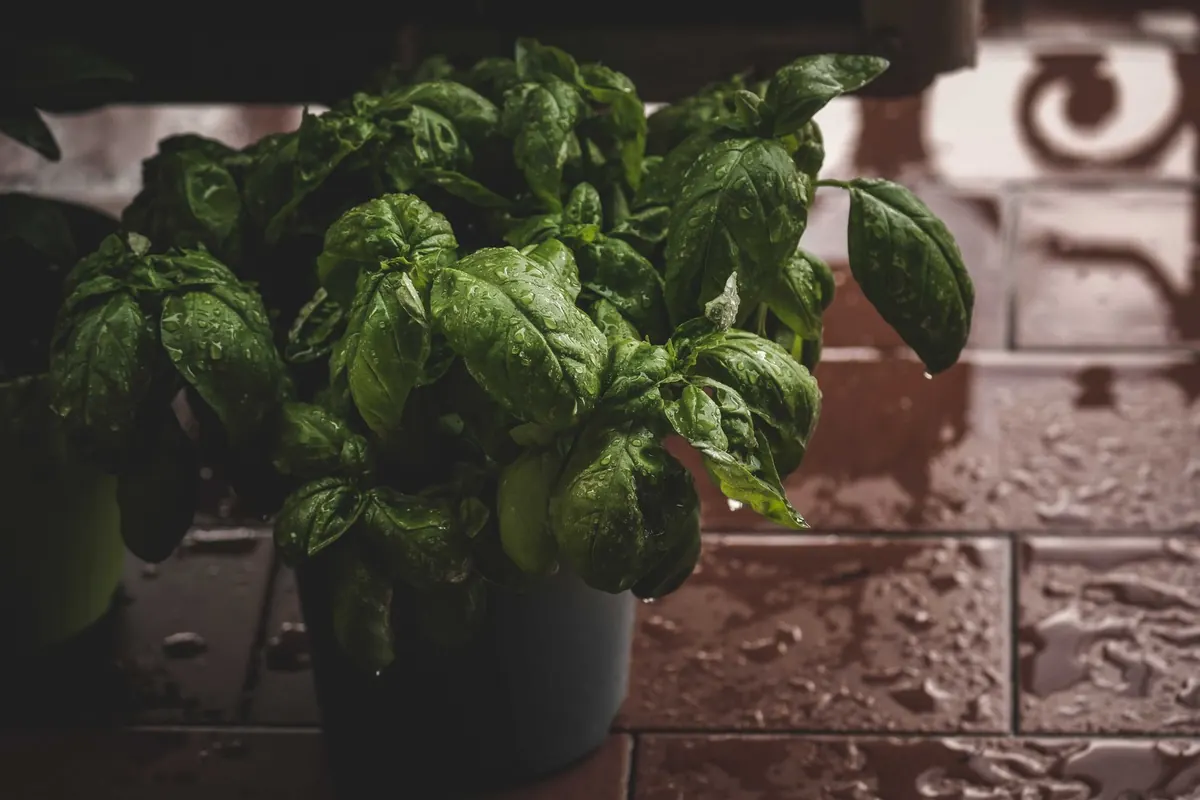
The No-Fail Basil Watering Checklist for British Summers
British summers do not water basil so much as test it. A fortnight of drizzle, then thirty degrees in a single afternoon, then a thunderstorm that empties itself over one postcode and ignores the next. Basil wants the same thing it always wants: compost that stays damp but never sodden, and roots that never quite dry out. Get that right and you will be picking soft, sweet leaves well into September. Get it wrong and you are left with a woody stem, a flush of small bitter leaves and a plant that bolts before you have enough for a decent batch of pesto.
What follows is a checklist rather than a lecture. It covers pots, beds and the pot on the kitchen windowsill, and it is built for weather that refuses to settle. The principles are simple, but the details change with pot size, compost, wind and how much sun your basil gets. A plant in a black plastic pot against a south-facing wall is living in a different climate from one in a raised bed under a hedge, even if they are only ten feet apart.
The one test that beats every gadget
Push a finger into the compost, about two to three centimetres down, and feel. Dry at that depth? Water. Damp? Wait, even if the surface looks pale and cracked. Moisture meters can help, but the inexpensive ones tend to read the top of the pot and nothing below it. They are also fooled by salty compost or a pot that has just been watered at the surface while the root ball remains bone dry.
Wilting is a poor guide on its own. On a hot afternoon basil will flag simply from the heat, then stand back up by six o'clock. Check it again in the evening before you reach for the can. If the leaves are still limp at dusk and the compost is dry at fingertip depth, water. If they are limp and the compost is wet, do not.
In pots, weight is quicker than touch. Lift the pot gently. A dry two-litre pot feels almost empty; one you watered this morning has real heft. Do it a few times and your hands learn the difference better than any gadget will. For larger containers, tilt the pot slightly or push a bamboo cane into the compost and feel how far the moisture goes. If the cane comes out dry below the top inch, the water has not reached the roots.
If in doubt, wait until the compost is dry at fingertip depth, then water thoroughly. Basil tolerates a short dry spell far better than a week of wet feet.
Deep, slow and at the base
Aim for a proper soak rather than a daily sprinkle. Water until it runs out of the drainage holes, then stop. That encourages roots to travel down through the pot or bed instead of clustering in the top inch, where they dry out fastest. A quick splash every morning may keep the surface dark, but it rarely reaches the roots on a hot day. It also creates a false sense of security: the top looks damp, the plant is still thirsty.
Three habits do most of the work:
- Water the soil, not the leaves. Wet foliage overnight is an open invitation to downy mildew and grey mould, and basil catches both easily.
- Water in the morning. The plant has all day to drink, any splashes dry off, and the compost is damp before the sun gets to work on it. During a heatwave, a second soil-level watering in the late afternoon is fine.
- Empty the saucers. Half an hour after watering, tip out anything still sitting in the tray. Basil roots in standing water will rot within days.
If you are watering a bed, use a can with the rose removed and direct the spout at the soil between the plants. For pots, a slow pour around the rim, pause, then another pour is better than one fast glug. Let the compost absorb before adding more. On very dry pots, the compost can shrink away from the sides, so water runs straight down the gap and out of the bottom. If that happens, stand the pot in a bowl of water for twenty minutes, then lift it out and let it drain.
Read the plant before you reach for more water:
- Wilting with dry compost — underwatered. Soak it and check again in an hour.
- Wilting with wet compost — the roots are suffocating. Stop watering and let it drain.
- Yellow lower leaves and sour-smelling compost — classic overwatering. Repot into fresh compost if it is bad.
- Crisp brown leaf edges — heat and dry air, usually on a windowsill or against a warm wall.
Pots, beds and windowsills: three different jobs
Pots and containers
Containers dry fastest and need the most attention. Terracotta breathes and loses water through its walls, so it dries out noticeably faster than glazed or plastic of the same size. Small pots in full sun may need a daily soak in July; a ten-litre pot might go two or three days. Group pots together so they shade each other's compost, and stand them where the roots, not just the leaves, get shade in the middle of the day. Frequent watering also washes nutrients out of pots, so feed lightly every couple of weeks through summer.
Compost choice matters too. A peat-free multipurpose compost with added wood fibre or coir holds moisture differently from a gritty seed mix. If your basil is in a free-draining mix, check it more often. If it is in a heavy, water-retentive compost, water less often but just as thoroughly. Never let a pot sit in a deep saucer of water for hours; basil likes moisture, not a swamp.
Beds and borders
In the ground, basil roots can travel further, so you can water less often but more deeply. A good soak every two or three days in warm weather is usually better than a daily flick of the wrist. Sandy soils drain quickly and may need water every other day; clay soils hold moisture and can go longer, but they also stay wet after rain, so check before you water. Raised beds dry out faster than open ground because they have more exposed sides and often a freer-draining mix.
Water in the morning and direct the flow at the base of the plant. If you are growing basil among tomatoes or in a herb bed, remember that neighbouring plants compete for the same moisture. A dense bed can shade the soil and reduce evaporation, but it can also hide dry patches. Push a finger in near the basil stem, not just at the edge of the bed, to see what the roots are actually experiencing.
Windowsills and indoor pots
Indoor basil lives in a strange climate: still air, low humidity, and a radiator or sunny glass that can dry the compost from below and above at once. Small windowsill pots may need checking every day in summer, sometimes twice. Water slowly until a little runs into the saucer, then empty the saucer after half an hour. Keep the pot away from radiators and cold draughty windows, and turn it every few days so the plant does not lean into the light.
If the leaves are crisp and the compost is dry, the problem is often the air rather than the roots. Group the basil with other herbs, or set the pot on a tray of damp pebbles, so the air around the leaves is less parched. Do not mist the leaves in the evening, as that encourages disease. Instead, raise the humidity around the plant and keep the roots consistently moist.
Mulch, shade and other drought insurance
Watering is only half the job. The other half is slowing down how quickly the compost dries. A two-centimetre layer of compost, bark chips or even torn newspaper around the base of the plant will shade the soil and cut evaporation. Leave a small gap around the stem so it does not stay wet against the plant. In pots, a mulch of gravel or horticultural grit looks tidy and keeps the surface from baking in the sun.
Shade is just as useful. Basil loves sun, but in a British heatwave the strongest afternoon sun can dry a small pot in hours. Move pots so they get morning sun and a little shade at midday, or put them behind taller plants. A south-facing wall can be a heat trap; a few feet away, under a light canopy of tomatoes or cosmos, the same basil will hold moisture longer. Wind dries compost too, so shelter pots from breezy corners.
A summer watering rhythm: June to September
Basil changes its demands as the season goes on, and so does the British weather. A simple rhythm helps you adjust without guessing.
- Early June: Plants are still small. Water when the top two centimetres are dry, usually every two or three days in pots, less in beds. Cool nights mean slower growth and slower drying.
- July: Peak demand. Check pots daily, especially small ones. Water deeply in the morning and again in the late afternoon only if the compost has dried at fingertip depth. Pinch out flower buds to keep leaves coming.
- August: Often the hottest, driest month. Mulch if you have not already. Beds may need a deep soak every two days; pots may need daily. Watch for downy mildew after humid nights.
- September: Growth slows, nights cool, and evaporation drops. Ease back. Let the compost dry a little more between waterings, but do not let it go bone dry. Basil still needs moisture to keep leaves tender until the first cold nights.
When watering is not enough
Sometimes you do everything right and the plant still sulks. If basil collapses overnight and the compost is wet, root rot is likely; take cuttings from healthy tips and start again in fresh compost. If leaves turn yellow from the bottom up while the compost stays damp, you are probably overwatering. If the plant bolts — producing a tall flower spike — pinch it out immediately; the leaves below will still be usable, but they turn bitter quickly once flowering starts.
Finally, remember that basil is an annual and a cut-and-come-again herb. Even perfect watering will not keep one plant going forever. Sow a second batch in midsummer for a fresh supply, and keep picking the tips. The more you harvest, the more the plant branches, and the more leaves you will have for pesto when the next British heatwave arrives.
Photo: Francesco Ungaro / Pexels