September 12, 2026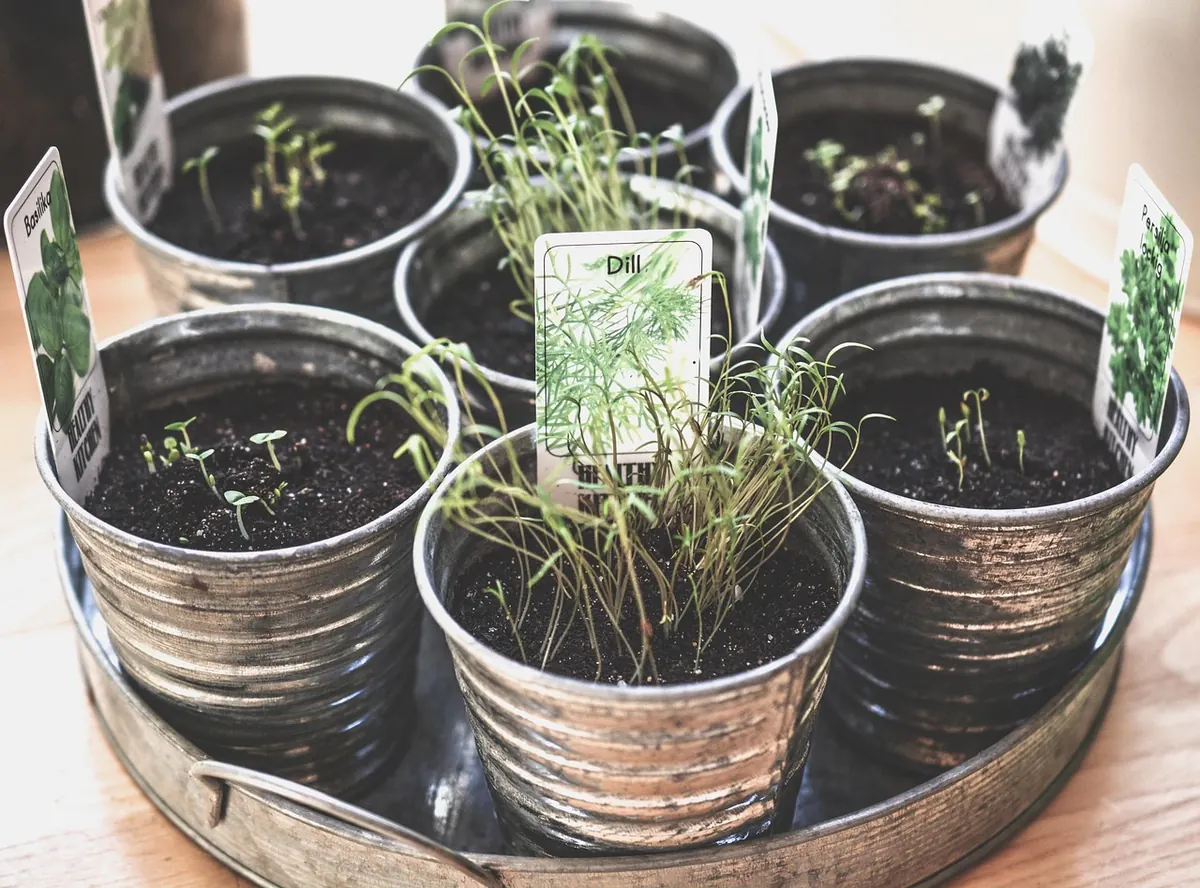
Basil is one of those herbs that rewards a bit of planning. Sow it too early in a cold greenhouse and the seeds sit there sulking; leave it too late and you will be pinching leaves from a plant the size of a matchbox in September. In the UK, the trick is to give basil a long, warm start indoors, then move it outside only once the nights have properly warmed up. What follows is a month-by-month plan that takes you from a packet of seed to plants that keep cropping into autumn.
Why basil needs a different approach in Britain
Basil came originally from warm, sunny regions and it has never quite got over it. Germination is quickest at around 18–21°C, and plants grow steadily only when night temperatures stay above roughly 10–12°C. Below that, growth slows to a crawl and leaves can blacken at the edges after a cold night.
British summers can deliver those temperatures, but rarely before late May and not always in a wet July. That is why almost every UK basil crop begins indoors, on a windowsill or under cover. Treat the outdoor season as a bonus and the indoor months as the main event.
February to March: sow indoors
If you have a warm, bright windowsill or a heated propagator, late February is a reasonable start in southern England. Further north, or in a cold house, wait until mid-March. Sowing earlier than the light allows only produces pale, stretched seedlings.
What you need
- A shallow seed tray, module tray or a few 9cm pots
- Peat-free multipurpose compost, ideally sieved so it is fine
- Vermiculite or a thin layer of compost for covering
- A clear lid, plastic bag or propagator
- A warm, bright spot — a south-facing windowsill is ideal
Sowing, step by step
- Fill your tray or pots with compost, firm it gently and water so it is moist but not sodden.
- Scatter the seed thinly on the surface. Basil seed needs light to germinate, so do not bury it.
- Cover with a bare sprinkle of vermiculite or fine compost — just 2–3mm.
- Mist the surface, then cover with a lid or bag. Keep the compost at around 18–21°C.
- Germination usually takes five to ten days. Remove the cover as soon as the first green shoots appear.
- Move the tray to the brightest spot you have and turn it daily so seedlings grow straight.
April: potting on and pinching out
When seedlings have their first true leaves — the second pair to appear, not the initial rounded seed leaves — move them into individual 9cm pots of multipurpose compost. Handle them by a leaf rather than the stem, which bruises easily.
Once a plant has three or four pairs of leaves, pinch out the growing tip just above a leaf pair. It feels brutal the first time. Do it anyway: the plant responds by branching, and a bushy basil gives you far more leaves than a single tall stem.
Watch the windowsill at night. Glass gets cold, and basil sitting against it in April can stall. Move pots a few centimetres inwards after dark, or stand them on a tray away from the pane.
May: hardening off and planting outside
Basil moved straight from a warm windowsill to an open garden will sulk for weeks. Harden it off over seven to ten days. Put plants outside in a sheltered, lightly shaded spot for two hours on the first day, then longer each day, bringing them in at night. By the end, they can stay out overnight if the forecast is mild.
Plant out from late May in the south and from early June in the north, once frost risk has passed and nights are staying above about 10°C. Choose the sunniest, most sheltered spot you have — against a south-facing wall is perfect. Space plants 20–25cm apart, or grow them singly in 2–3 litre pots, which lets you whisk them indoors when a cold night appears. Keep a piece of fleece handy for the first fortnight.
June to August: keep the crop coming
Water at the base in the morning rather than splashing the leaves in the evening, and feed every fortnight with a weak liquid feed — a general organic one or diluted tomato feed both work.
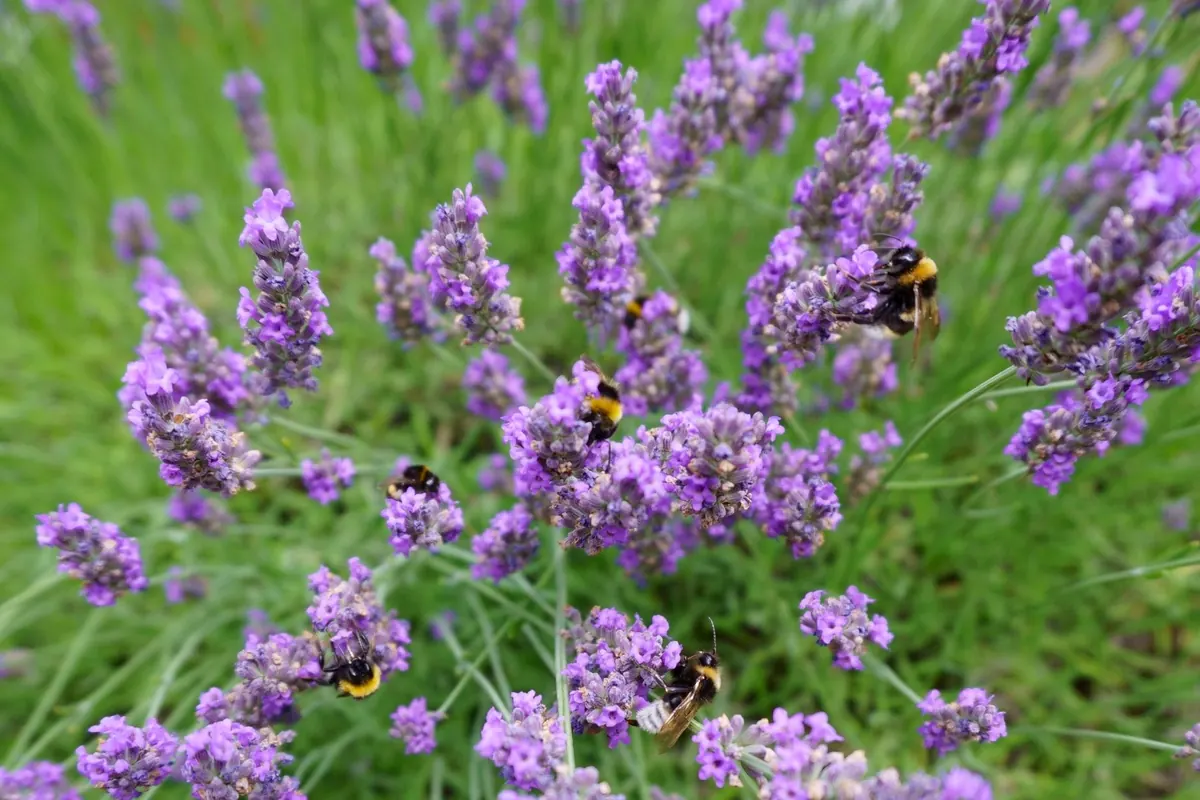
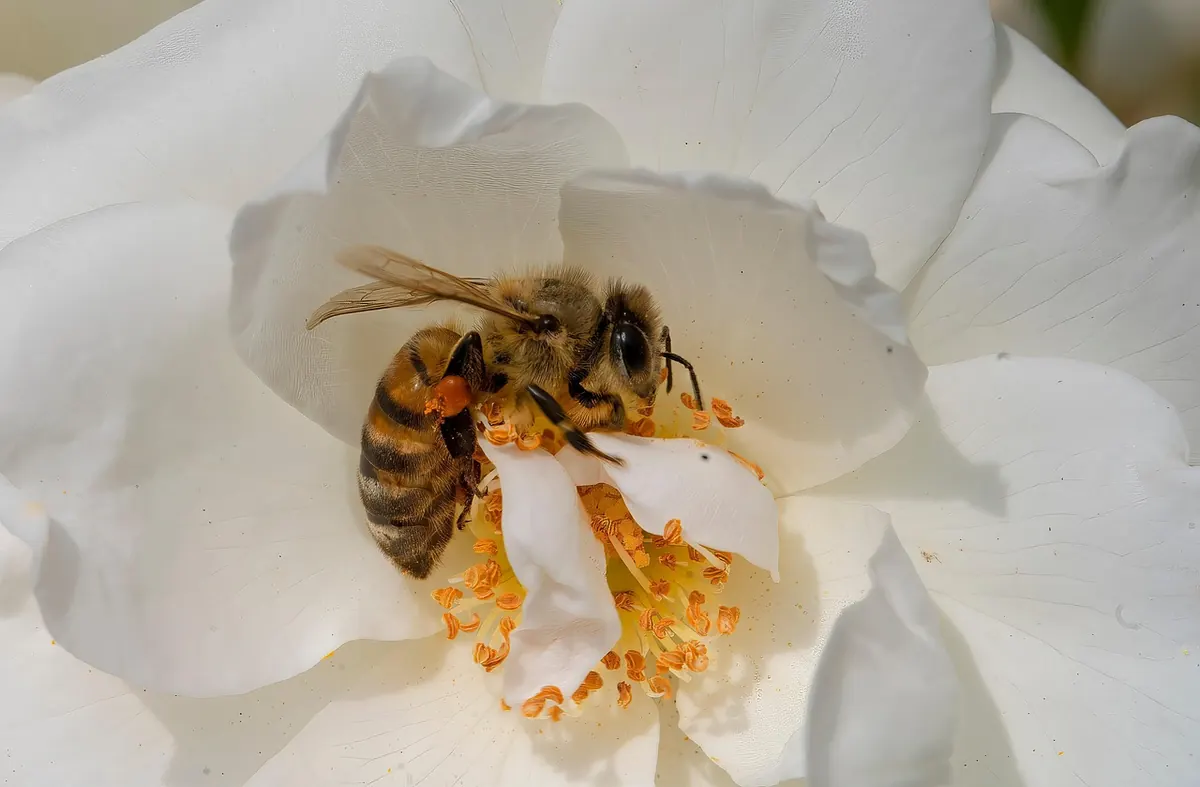
Keep removing flower buds. Once basil flowers, leaf production slows and the flavour turns peppery and bitter. If you want to leave a few flower spikes for bees in late summer, do it on a plant you have stopped harvesting.
For a steady supply, sow another small tray every four to six weeks up to mid-July. Later sowings can stay in pots on a kitchen windowsill, where they will crop well into autumn.
September and October: the final stretch
Outdoor growth slows as light levels drop. Before the first properly cold nights, bring pots inside to a bright windowsill or a cool conservatory. Basil is a tender annual, so it will not survive winter outside, but a plant moved indoors in September often gives you another six weeks of leaves.
Cuttings are worth taking. Snip a non-flowering stem about 8–10cm long, strip the lower leaves, and stand it in water or push it into moist compost on a sunny sill. Roots usually appear within a fortnight.
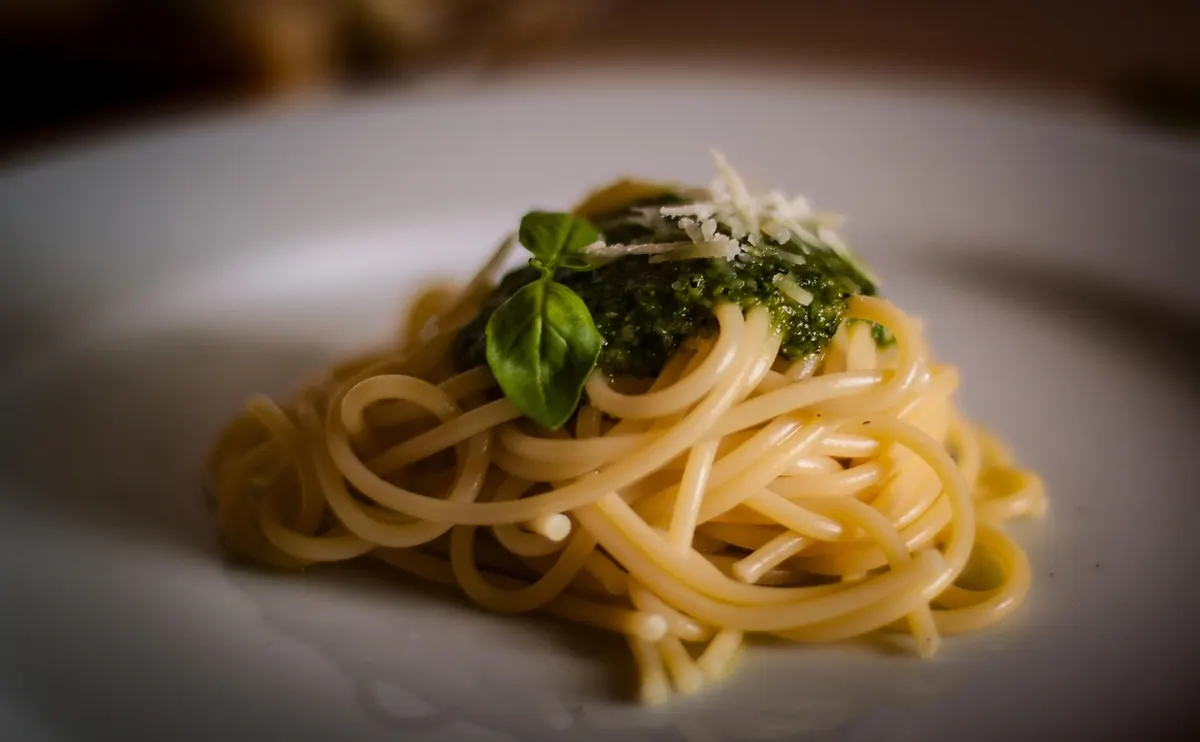
If you have more basil than you can eat, make pesto and freeze it in ice-cube trays. A cube dropped into a winter soup is a decent reminder of August.
Common problems, quickly solved
- Leggy, pale seedlings: not enough light. Move them somewhere brighter and sow later in the year next time.
- Yellow lower leaves and soggy compost: too much water. Let the surface dry out between waterings.
- Slow, pale growth in summer: usually cold or hungry. Check night temperatures and give a liquid feed.
- Downy mildew: yellow patches on top of the leaf with grey fuzz beneath. Remove affected leaves, water at soil level, and space plants so air moves between them.
- Slugs and snails: they hide under pots and in damp mulch. Check rims and bases, and use a barrier or a night patrol.
- Aphids: a firm jet of water knocks them back, and ladybirds usually finish the job.
Getting the timing right for your own garden
Start with one small tray rather than six, and write the sowing date on the label. Compare it with how the plants perform, then adjust next year — a windowsill in Cornwall and a cool porch in Aberdeen are very different growing spaces. Sow again in June, keep pinching, and basil will keep you in leaves from early summer until the first cold snap.
Photo: monicore / Pixabay