October 01, 2026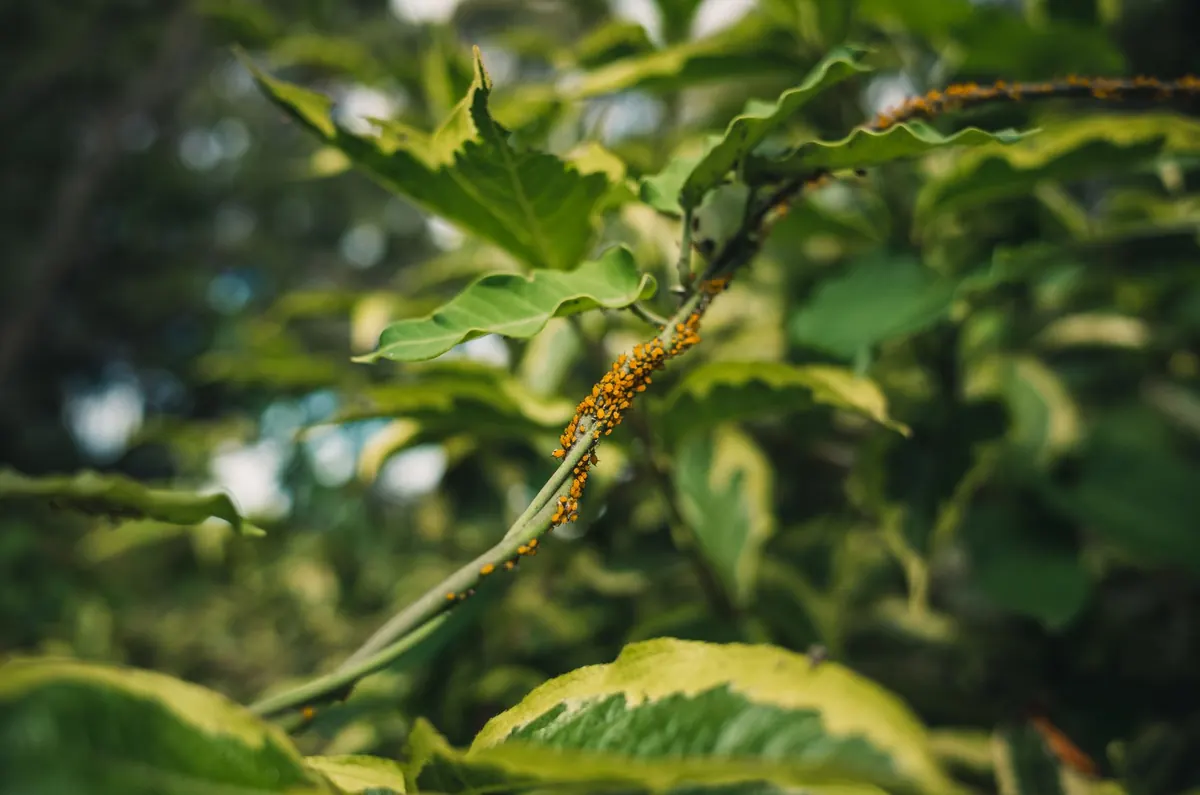
Basil is generous. Give it warmth, light and steady moisture and it will keep cropping for months. It is also soft, tender and full of sap, which makes it one of the most appealing plants on any kitchen windowsill or patio for a whole range of small creatures. The good news is that the pests you are most likely to meet in the UK — aphids, whitefly, fungus gnats and slugs — can all be dealt with without chemicals. The fifth problem, downy mildew, is worth learning about too, because it is not an insect at all and no spray will touch it.
Pests start with a stressed plant
Before you reach for anything, look at how the basil is growing. A plant that is crowded, sitting in soggy compost or pressed against a window in still air will always attract more trouble than a lean, well-spaced one.
Basil wants strong light, a free-draining compost, and water only when the surface of the compost feels dry. Thin seedlings so air can move between them, space pots a hand's width apart, and pick leaves regularly — harvesting is also pruning, and it keeps the plant open. Go easy on liquid feed: too much nitrogen pushes out soft, sappy growth that aphids adore.
Aphids: the clusters on the growing tips
Greenfly and blackfly are the usual culprits. Look along the soft new shoots at the top of the plant and on the undersides of leaves. You will often see sticky honeydew, a scattering of cast skins, and ants marching up the stem to farm the aphids for that honeydew.
- Check every plant twice a week, paying attention to new growth and leaf undersides.
- Blast colonies off with a firm jet of water from a spray bottle, doing it over a sink or outdoors so they do not simply land on the next pot.
- Squash small groups with your fingers. It is unglamorous and it works.
- If numbers climb, use an insecticidal soap made for plants and follow the label. Spray in the evening when the sun is off the leaves, cover the undersides, and repeat every few days — soap does not kill eggs.
- Leave ladybirds, hoverfly larvae and lacewings in place. A hoverfly larva will clear a surprising number of aphids in a week.
- If a plant is smothered, bin it. Basil grows quickly from seed, and replacing one plant is quicker than weeks of fighting.
Whitefly: the cloud that rises when you water
Tap the plant and a flurry of tiny white insects lifts off. The adults hide on leaf undersides; the nymphs sit still, looking like flat pale scales. Both produce honeydew, which turns into a black sooty mould on the leaves below.
Whitefly breed fast in warm, still rooms, so act early. Yellow sticky traps hung near the plant catch adults and give you a running count of the problem. A small handheld vacuum used early in the morning, when the flies are sluggish, removes a good number. Wash the undersides of the leaves with water, then follow with a plant-safe soap spray once a week. Strip off the lowest leaves where nymphs gather, and quarantine any new basil for a week before adding it to your collection.
Fungus gnats: usually a sign of wet compost
Small dark flies drifting over the compost surface are the adults, and they are mostly a nuisance. The larvae live in the top few centimetres of wet compost, feeding on organic matter and fine roots. They rarely kill a healthy plant, but they are a clear sign you are watering too often.
Let the top centimetre of compost dry out between waterings, and water from below rather than from above, emptying the saucer afterwards. Top-dress with grit or coarse sand so adults cannot lay eggs easily, and use sticky traps to reduce the flies. A slice of raw potato laid on the surface overnight will draw larvae up; check it in the morning and bin it. Avoid reusing compost that has been sitting damp in a bag for months.
Slugs and snails: the night shift
Outdoors, basil in pots is fair game, and slugs will happily climb. A whole seedling can vanish in one damp night, leaving nothing but a stub.
Go out after dark with a torch when the weather is wet and pick them off by hand. Raise pots on feet or set them on gravel, and run copper tape around the rim, keeping it clean and unbroken. Clear fallen leaves and damp hiding places nearby, water in the morning so the surface dries by evening, and make room for birds, frogs and hedgehogs. Biological slug nematodes, watered onto moist soil when conditions suit according to the packet, can help in open ground, though they are less useful in pots.
Downy mildew: the problem no spray will fix
Downy mildew is not an insect and it is the most disheartening thing that happens to UK basil. You will see yellow patches on the upper leaf surface, often between the veins, with a greyish, faintly fuzzy growth underneath. Leaves drop, stems darken and the plant collapses quickly. It thrives on warm days, cool nights, humid still air and crowded leaves.
Once a plant is badly infected there is no organic cure. Remove affected leaves and plants and put them in the bin, not the compost heap. Improve airflow, water at the base in the morning, and stop saving seed from affected plants, as the problem can pass through seed. Wash pots and trays between crops, and if mildew keeps returning on the same windowsill or in the same greenhouse, start again with fresh compost, fresh seed and a mildew-resistant variety.
A ten-minute weekly check
Most basil problems are easy to beat while they are small. Set aside ten minutes a week and run through the same routine:
- Turn over the newest leaves and a few older ones, looking for clusters or pale scales.
- Tap the plant and watch for whitefly rising.
- Feel the compost. Dry at the surface, or permanently wet?
- Check pot rims and the soil surface for slugs after dark in mild weather.
- Bin any leaf that yellows oddly with a fuzzy underside, and check its neighbours.
Basil is a fast plant in both directions. A fortnight of neglect can undo it; a fortnight of small, regular attention will bring it back to full leaf.
Photo: Sonny Sixteen / Pexels